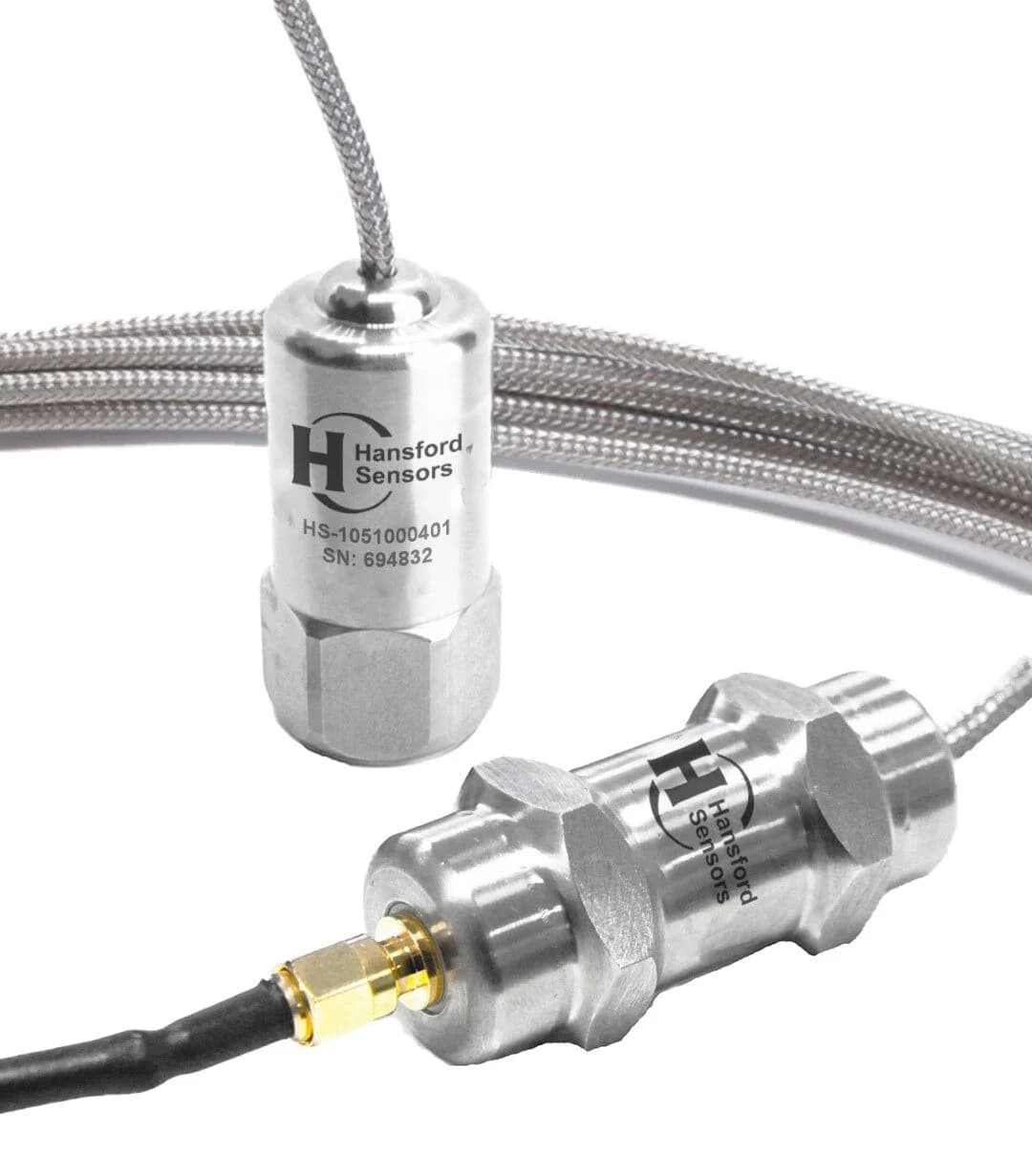
HS-105 High-temperature accelerometer, top exit, low-noise cable
- AC IEPE
- 100 mV/g
- Top exit
- Low-noise cable
PDF datasheet
Exclusive Hansford Sensors distributor for Poland, the Czech Republic and Slovakia
At sea, access to spare parts and service is limited, and a failure of a pump, generator set or gearbox directly affects the safety and operation of the ship. Vibration monitoring helps to plan maintenance work on board and on quayside equipment based on the actual condition of the machines.

The engine room crew has a limited stock of parts and tools, and major repairs have to be planned for a stay in port or at a shipyard. Early detection of a cooling pump bearing fault, generator set misalignment or gearbox wear gives time to order parts and prepare the repair, instead of working in emergency mode at sea.
Salt-laden air, high humidity and condensation promote corrosion of housings and connectors, and the engine room adds oil mist and high temperatures near the engines and turbochargers. The hull transmits vibration from the main engine and the propeller; this vibration appears in the spectra of auxiliary machines and must be taken into account in the analysis. Electrical installations on ships often operate as insulated networks, so it is important that the sensor’s measurement loop does not form a connection to the hull.
On tankers and gas carriers, some equipment — including cargo pumps — operates in hazardous areas. Quayside equipment, in turn, is exposed to rain, salt mist and large temperature variations.
01Machines in this industry
Ballast, cooling and bilge pumps, engine room and HVAC fans, reduction and drive gearboxes and others — measuring point on the bearing housing.
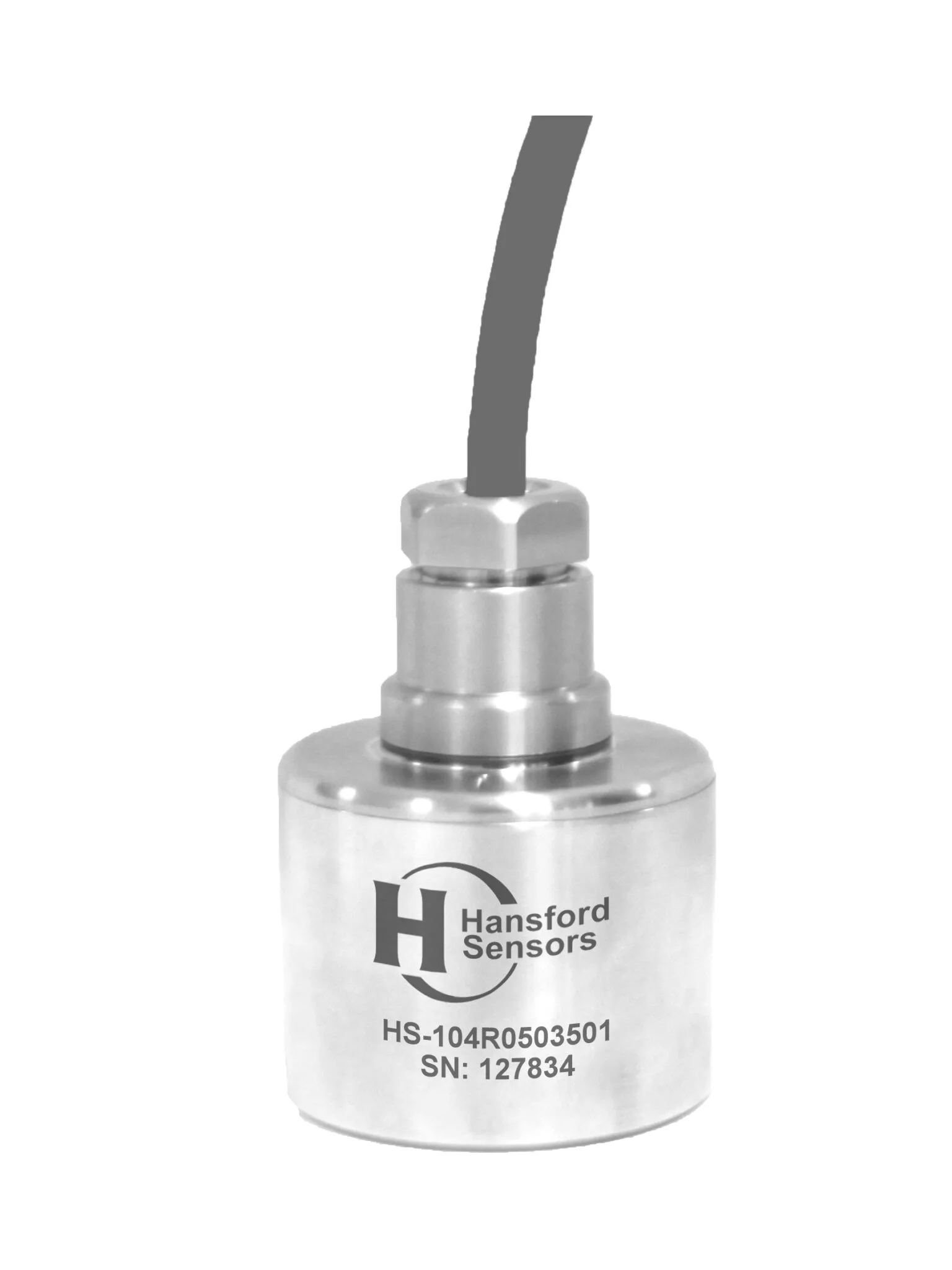
02Sensor
An IEPE accelerometer or a 4–20 mA sensor converts vibration (and often temperature) into an electrical signal.
Industrial IEPE accelerometers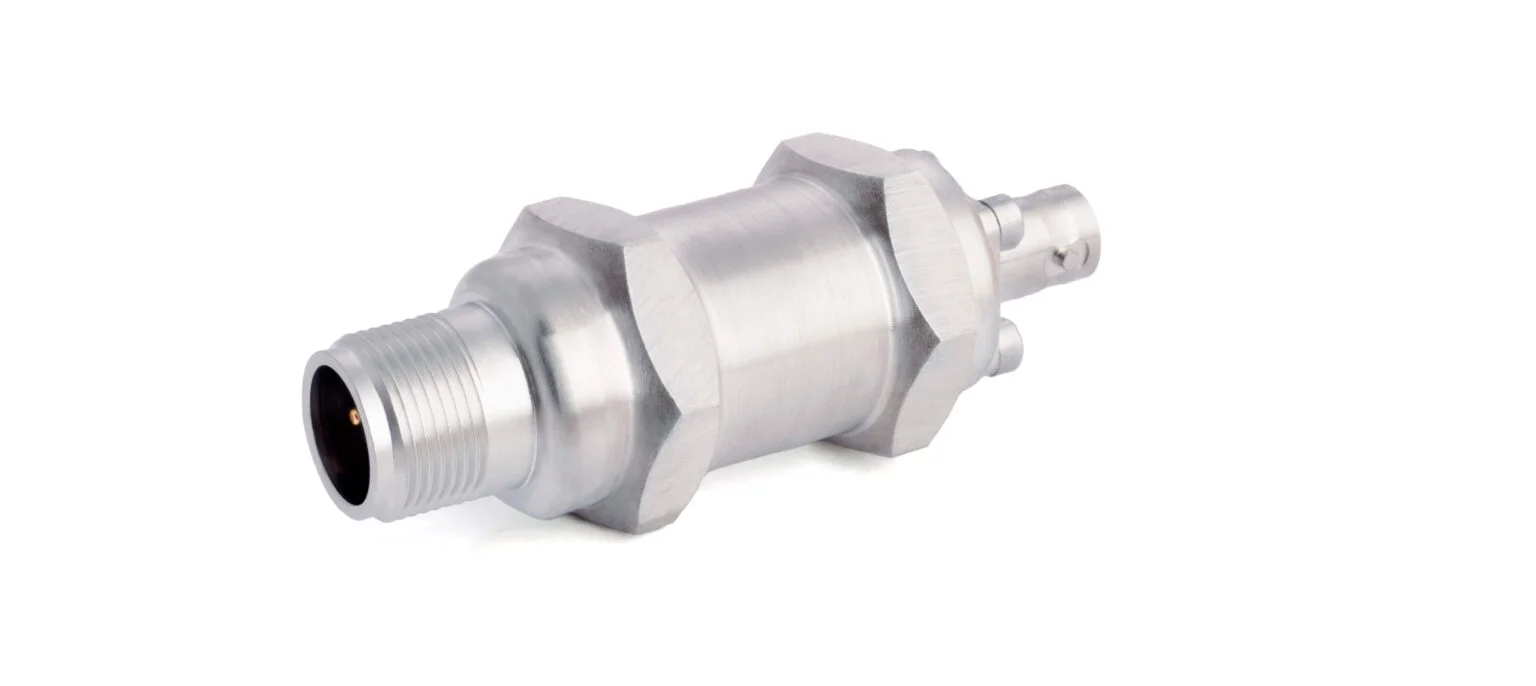
03Signal
A cable with the right connector and a junction box carry the signal from many measuring points to the system.
Cables and connectors
04Monitoring
PLC, DCS, an online system or a data collector: trends, alarm thresholds and diagnostics before a failure happens.
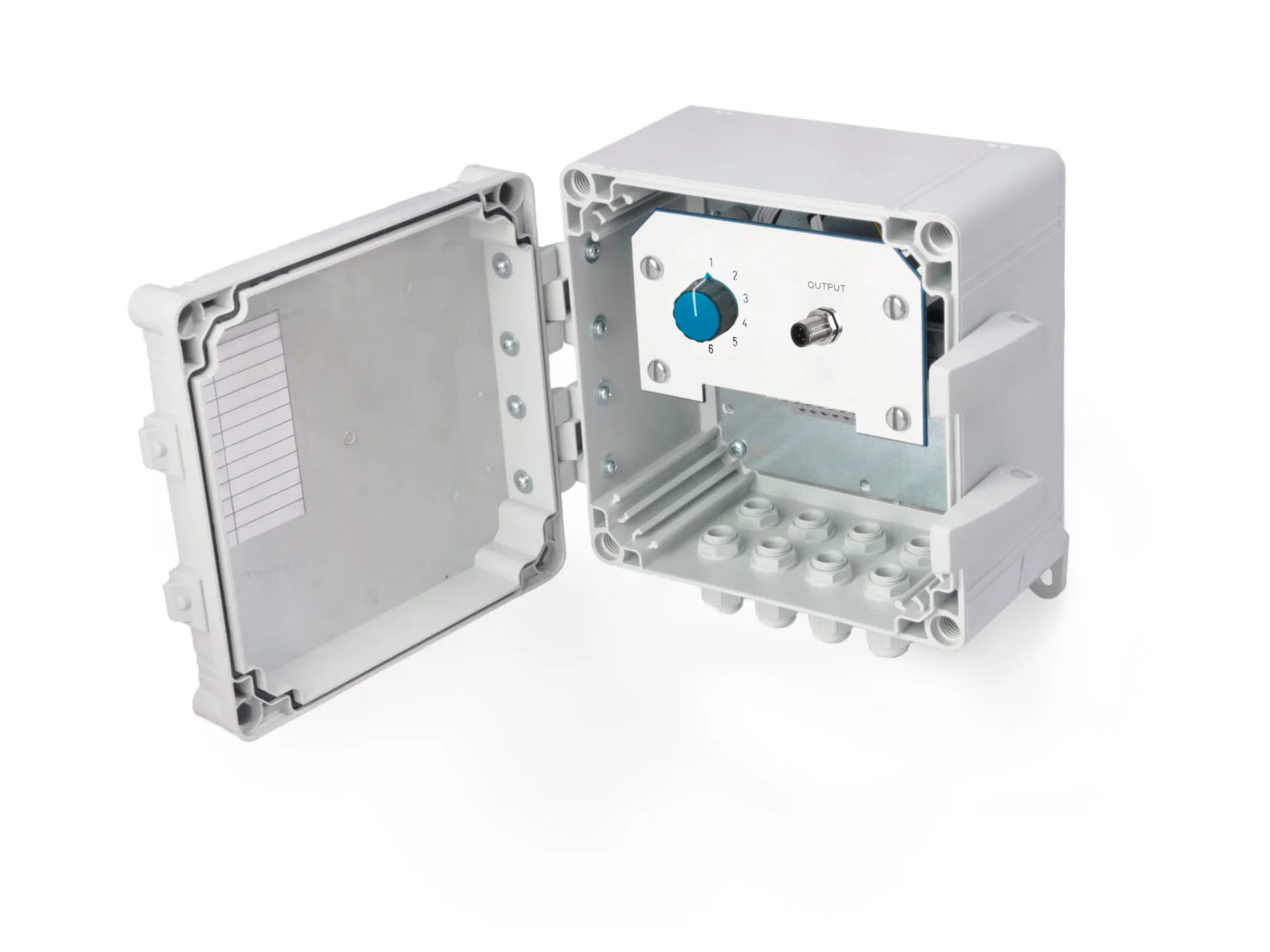
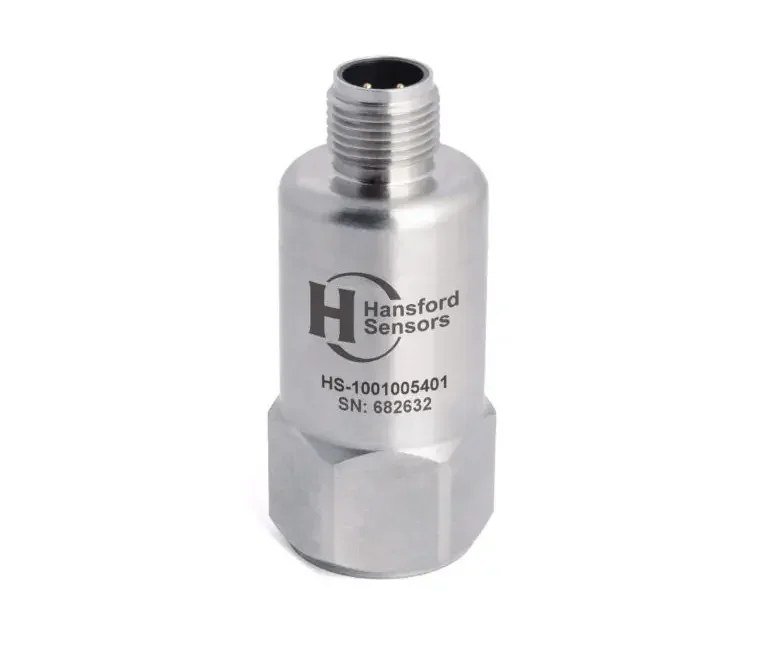
Vibration systems and switchesThe HS-100 accelerometers with a 100 mV/g output are permanently mounted at the bearings of machines hidden under engine room floor plates or in tight compartments, and their cables are run to an HS-SE switch box. Measurements are then taken with a standard data collector from one accessible place, always at the same points.
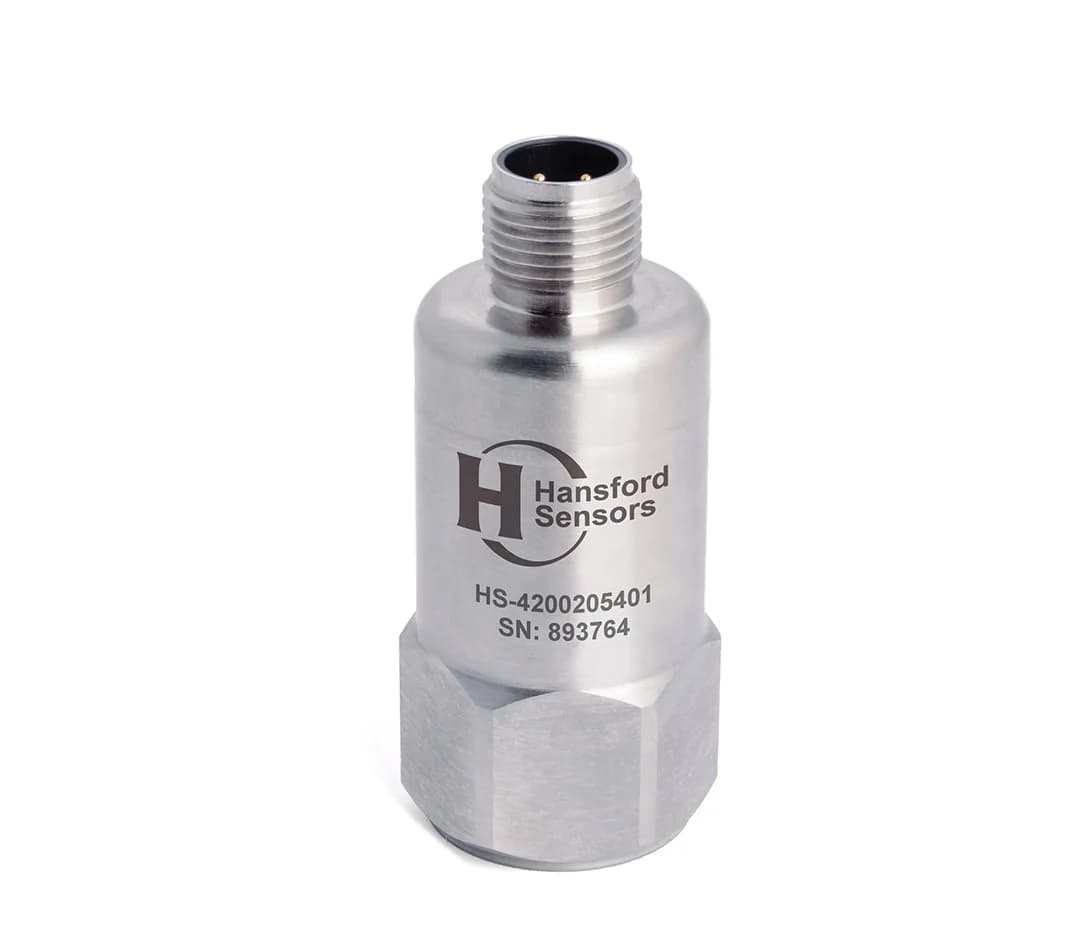
The HS-420 sensor provides a 4–20 mA signal proportional to vibration velocity, which can be fed to the onboard PLC or the alarm and monitoring system. This way, the crew on watch can see the vibration trend of selected machines together with other operating parameters — see 4–20 mA vibration sensors.
The HS-105 is intended for turbochargers and other high-temperature locations. It is an accelerometer that operates at up to 250 °C with an external charge amplifier. The signal can be routed to a local connection box or via a multi-core cable to the higher-level system. You will find the versions in the high-temperature accelerometers category.
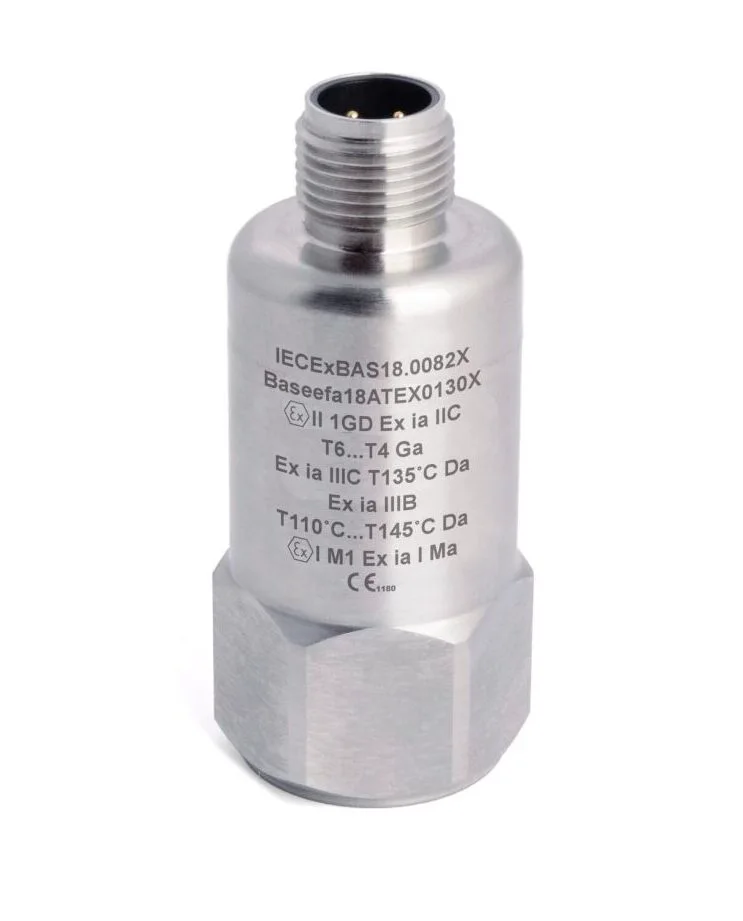
Intrinsically safe HS-100I accelerometers with ATEX and IECEx certificates are intended for cargo pumps on tankers and gas carriers — see accelerometers for Ex zones. The manufacturer designs its marine sensors for operation in unearthed circuits; even so, when selecting a sensor, check the datasheet for the isolation of the signal circuit from the housing and the parameters required for the barrier.
HS-JE junction boxes and HS-SE switch boxes are available in stainless steel, painted steel and polycarbonate enclosures; on deck and in places exposed to salt mist, stainless steel works best. Halogen-free cables are often required in the ship’s enclosed spaces — the catalogue includes sensor versions with HFFR cable.
PDF datasheet
High-temperature version — e.g. in the engine room.
PDF datasheet
Intrinsically safe version for hazardous areas.
PDF datasheet
4–20 mA signal for on-board controllers and alarm systems.
PDF datasheet
Switch box for remote readings from hard-to-reach equipment.
PDF datasheet
Accelerometer for pumps, fans, gearboxes and generator sets.
Vibration from the main engine and the propeller is transmitted through the structure and appears in the spectrum as components at their characteristic frequencies. Spectrum analysis makes it possible to separate them from the symptoms of faults in the machine itself. It is important to compare measurements taken under similar operating conditions, e.g. at a similar main engine load.
The choice depends on the location. Near engines, resistance to oils and temperature matters; on routes exposed to damage, a braid or protective conduit; and in enclosed spaces, a halogen-free cable is often required. The permissible temperature and chemical resistance vary with the cable type, so check them in the datasheet of the selected version.
No. The entire measurement chain must be intrinsically safe: the sensor, the cable, and the barrier or isolator located outside the hazardous area. Their parameters must be compatible with each other. The HS-100I has ATEX and IECEx certificates, but before installation, check that its marking matches the zone and gas group at the location. The classification society may impose additional requirements.
Send us a list of equipment, a description of the conditions at the mounting location and the requirements of the shipowner or classification society. We will help you select sensors, cables and enclosures.