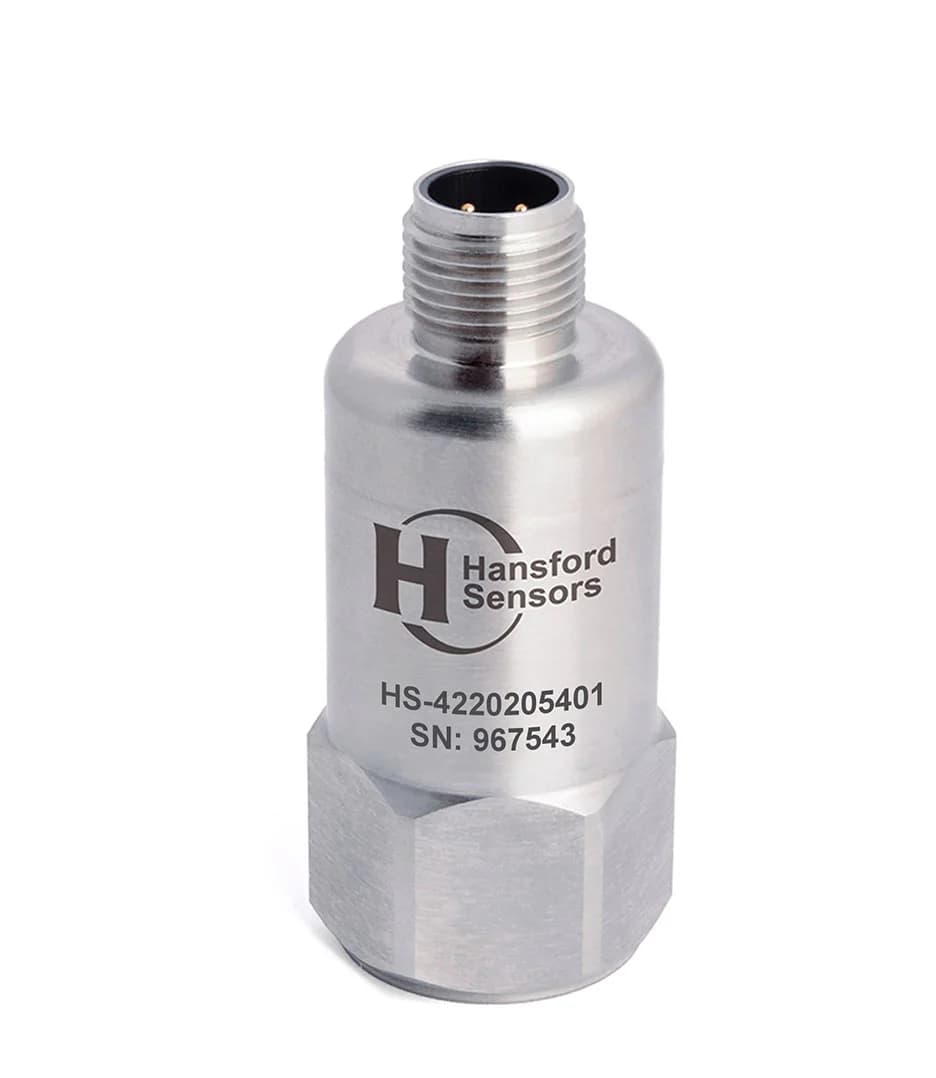
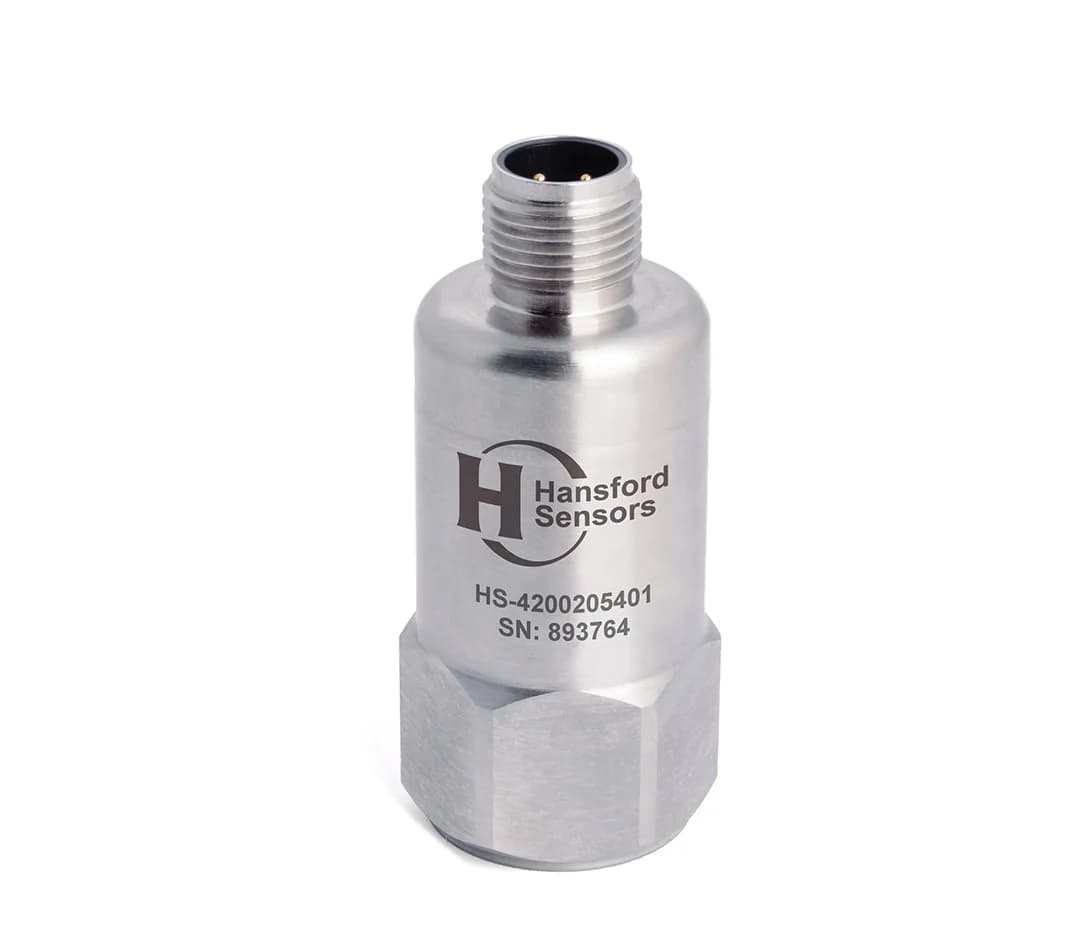
HS-422 4–20 mA vibration sensor (acceleration), top exit, M12 connector
- 4–20 mA
- Top exit
- IP68
- M12
PDF datasheet
Exclusive Hansford Sensors distributor for Poland, the Czech Republic and Slovakia
In mines and processing plants, machines work in dust and water and under strong shocks, and a failure of a crusher, conveyor or fan can stop extraction or processing. Vibration measurement — periodic or continuous — makes it possible to schedule bearing replacements and gearbox repairs for the next shutdown.

The flow of mined material passes through a chain of machines: crushers, screens, conveyors and pumps. When one link stops, the others stop too, and repairing heavy components underground or in a remote part of the workings requires transport, lifting equipment and time. A seized conveyor pulley or idler bearing can also overheat and become a fire hazard — so early fault detection is not only a matter of economics.
Sensors must withstand abrasive dust, spray water and mud, impacts from rock fragments and continuous, strong vibration. On vibrating screens, a high vibration level is inherent to how the machine works, so assessing condition requires comparison with baseline measurements, not just reading the overall level.
In underground mines with a methane or dust hazard, Group I equipment is used, while processing plants and surface sites may have dust hazardous areas. Not every intrinsically safe sensor version is marked for Group I, so selection starts with checking the certificate and the requirements that apply at the specific site.
01Machines in this industry
Jaw, cone and impact crushers, vibrating screens, belt conveyors and others — measuring point on the bearing housing.
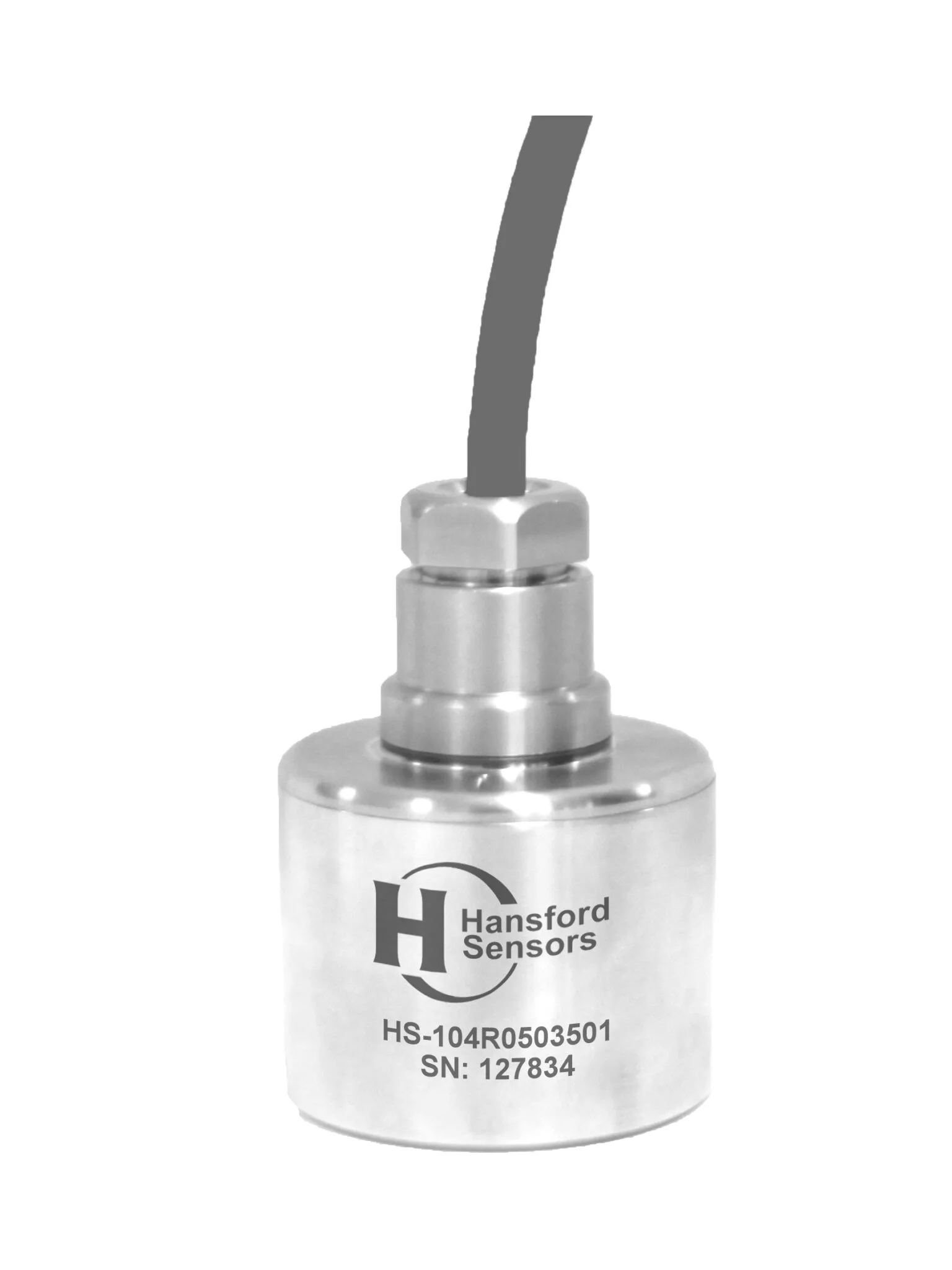
02Sensor
An IEPE accelerometer or a 4–20 mA sensor converts vibration (and often temperature) into an electrical signal.
Industrial IEPE accelerometers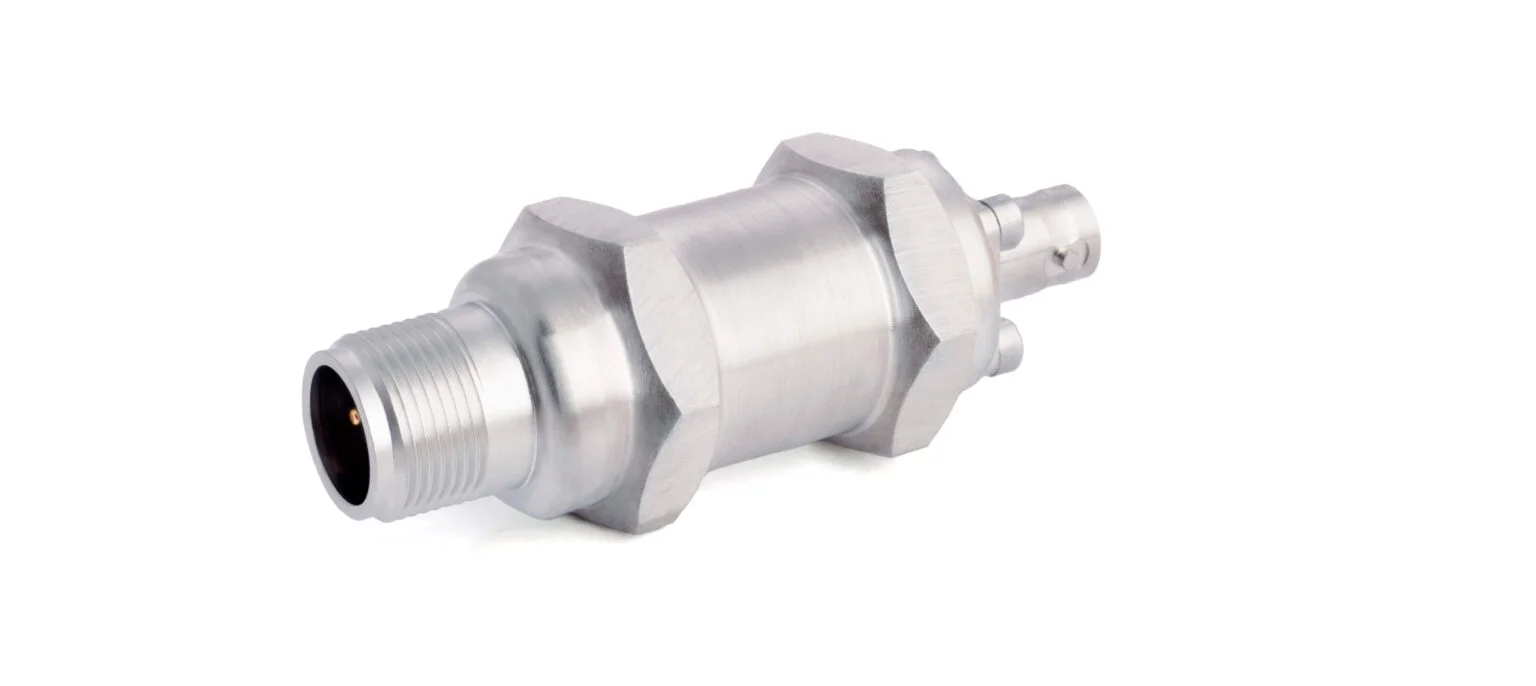
03Signal
A cable with the right connector and a junction box carry the signal from many measuring points to the system.
Cables and connectors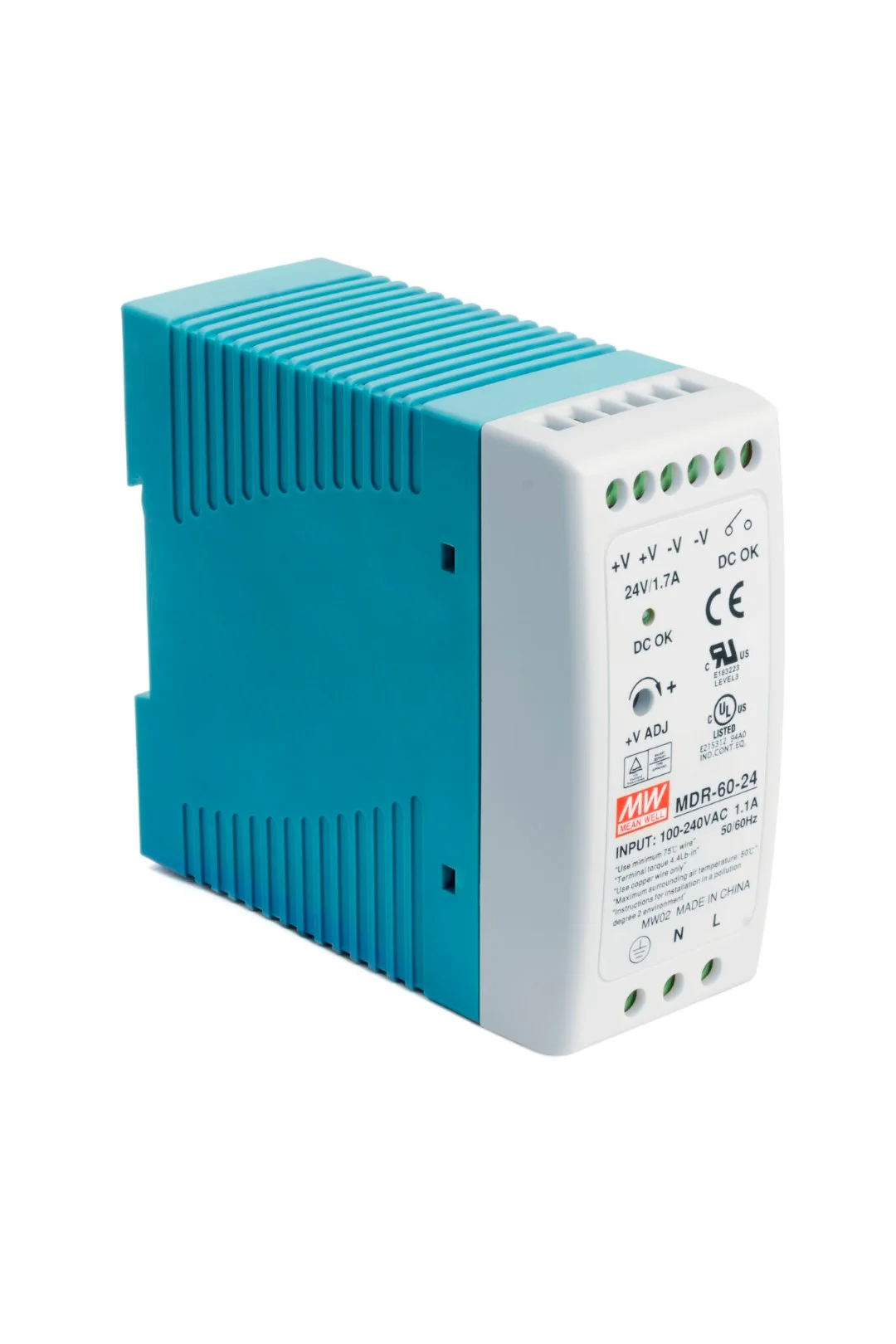
04Monitoring
PLC, DCS, an online system or a data collector: trends, alarm thresholds and diagnostics before a failure happens.
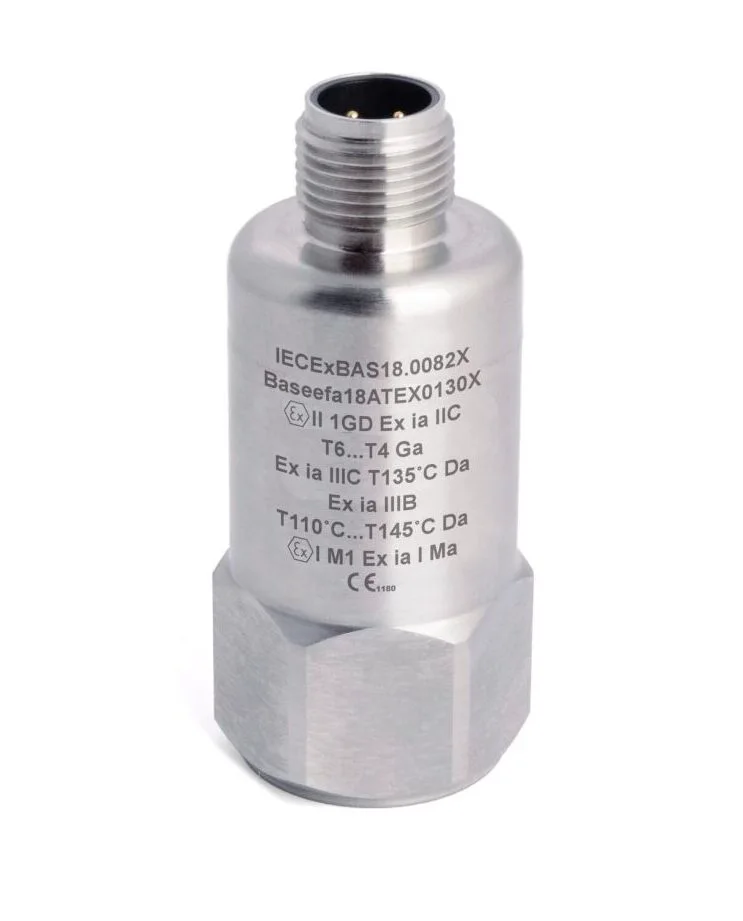
Vibration systems and switchesWhere hazardous areas have been designated, intrinsically safe accelerometers are used, such as HS-100I with ATEX and IECEx certificates — see accelerometers for Ex zones. Before ordering, compare the Ex marking of the selected version with the requirements of the mounting location. The HS-100I documentation includes, among other things, a guide to safety barriers and maximum cable length, which is useful when designing the measurement loop. If the signal from the hazardous area is to go directly to a controller, see intrinsically safe 4–20 mA transmitters.
HS-420 provides a 4–20 mA signal proportional to vibration velocity and is a simple way to continuously monitor the unbalance of fan impellers and motor shafts in a PLC or SCADA system. The measuring range is selected when ordering — the available options are listed in the datasheet.
HS-422, with a 4–20 mA signal proportional to vibration acceleration, responds better than a velocity measurement to higher-frequency phenomena, such as developing bearing and gear tooth damage. As a result, it protects conveyors between routine route measurements.
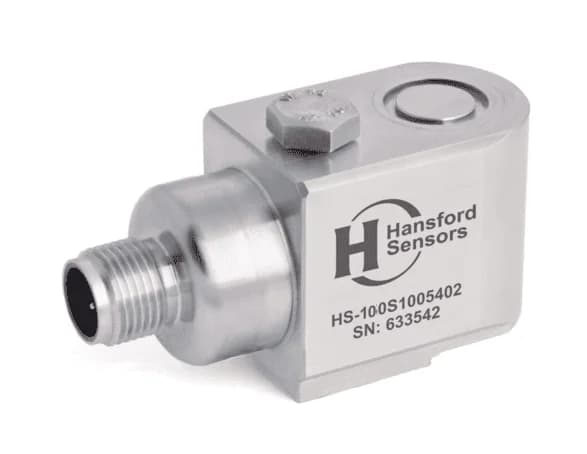
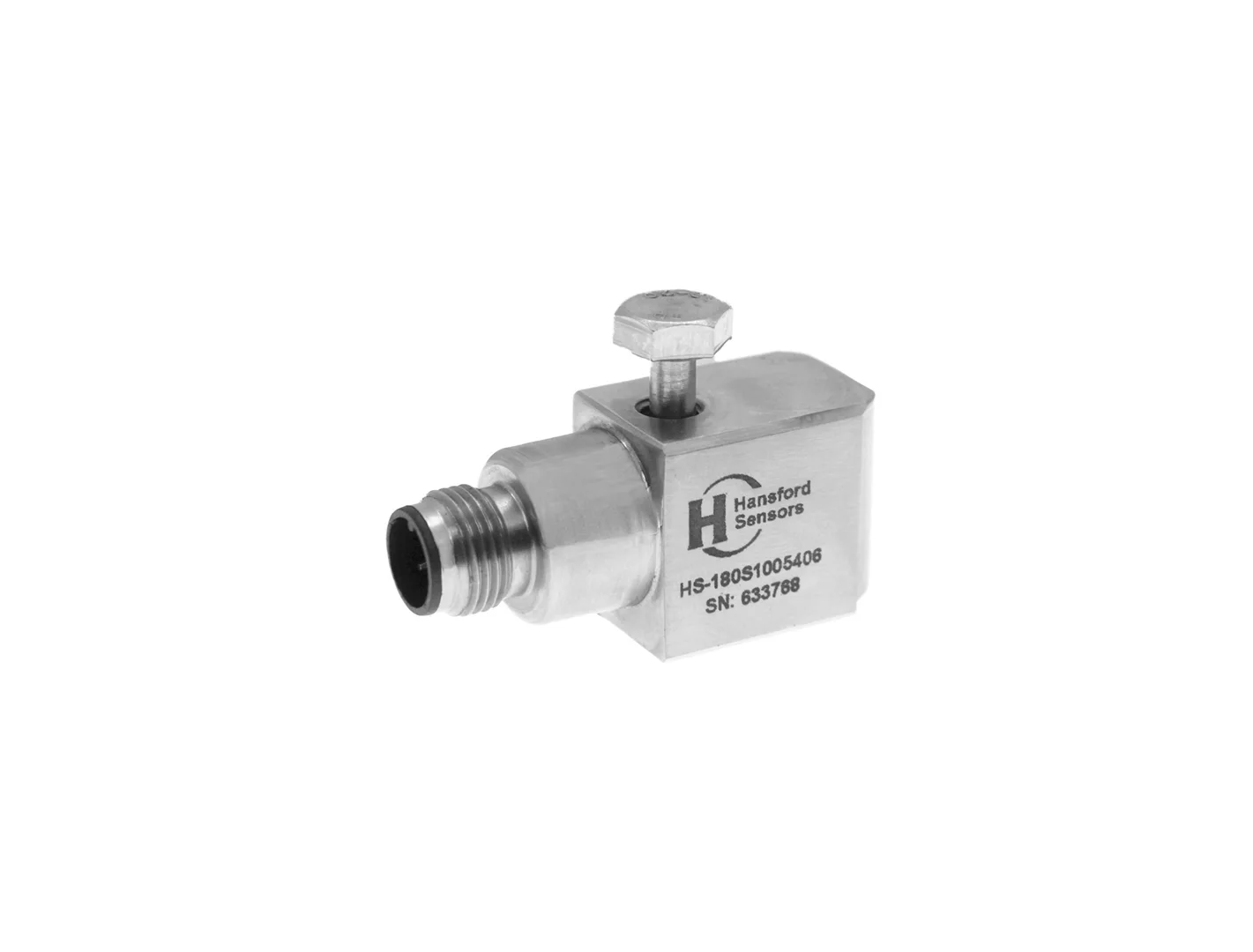
The side exit HS-100S and the compact HS-180S accelerometers have a low profile, so they are easier to fit at crushers, screens, and conveyor pulleys and drives. They are also less exposed to damage from falling material and accumulated dust than sensors with a connection pointing upwards.
On mining machines, the cable is as exposed as the sensor itself. Choose braided cables or cables in protective conduit, and 2-pin MS connectors that allow the sensor to be disconnected quickly — see cables and connectors. Protect connections and reading points in stainless steel boxes from the industrial enclosures category.
PDF datasheet
4–20 mA (acceleration) — protecting conveyors between inspections.
PDF datasheet
Side exit for crushers, screens and drives with limited access.
PDF datasheet
Compact sensor for locations with little mounting space.
PDF datasheet
Intrinsically safe accelerometer — for underground use, check that the Ex marking covers Group I.
PDF datasheet
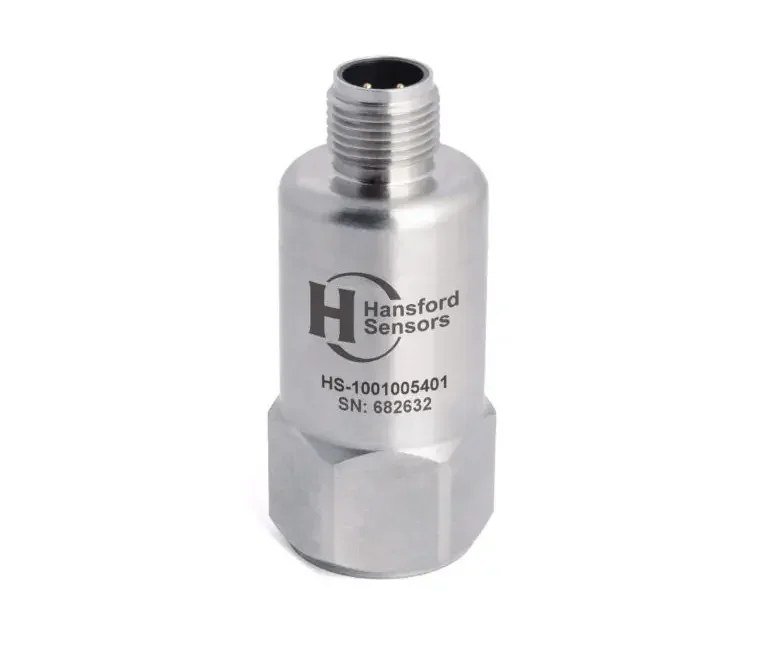
General-purpose 100 mV/g AC accelerometer.
PDF datasheet
4–20 mA (vibration velocity) — monitoring fan and motor unbalance in the PLC.
It depends on the Ex marking. Workings with a methane hazard require Group I equipment of the appropriate category, and not every intrinsically safe version of a sensor has this marking. Check the certificate and datasheet of the selected model, as well as the requirements in force at the mine. The entire measurement chain, including the barrier and the cable, must also be intrinsically safe.
The HS-420 measures vibration velocity and is good at indicating unbalance, misalignment and looseness in the drive. The HS-422 measures acceleration, so it responds sooner to developing bearing and gear mesh damage — the manufacturer presents it as protection for conveyors between inspections. Finding the cause of a fault still requires analysis of the AC signal.
Use braided cables or cables in protective conduit. Route them along the structure and secure them with clamps, away from the flow of material. On screens, leave a flexible loop of cable where it passes from the vibrating screen box to the fixed structure. A 2-pin MS connector makes it easier to disconnect the sensor during an overhaul without cutting the cable.
Describe the machines, operating conditions and any hazardous areas — including whether the site is underground or open-pit. We will help you select sensors, cables and enclosures.