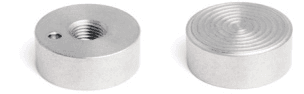
HS-AS274 HS-AS series Adhesive mounting pads for triaxial sensors
- 3 axes
PDF datasheet
Exclusive Hansford Sensors distributor for Poland, the Czech Republic and Slovakia
A paper machine is a long line of rolls, cylinders and drives running non-stop in moisture and steam. Regular vibration measurement on pumps, fans, gearboxes and rolls makes it possible to detect wear and looseness in advance and to use shutdowns for planned repairs.

Paper and pulp production is a continuous process. A failure of a stock pump, dryer fan or section drive gearbox can end in a web break or a machine stop, and after a restart it takes time for the product to return to specification. An unplanned stop means lost production and paper out of specification, so planned shutdowns are prepared carefully — and machine condition monitoring data helps to decide what needs to be done during them.
In the forming section, sensors are sprayed with water and cleaning agents; in the press section, they work under heavy load and in constant moisture; and in the dryer section, at high temperature and in steam under the hood. Stock preparation adds pumps and agitators handling a thick fibre suspension, and the finishing area adds paper dust.
There are many measurement points on one machine, and a large share of them are on the drive side, behind the machine frame or under guards. This is why paper mills widely use permanently mounted sensors cabled to junction boxes and switch boxes, from where the signal goes to a data collector or an online monitoring system.
01Machines in this industry
Stock and circulating water pumps, fans and blowers for drying and hood ventilation, section drive and conveyor gearboxes and others — measuring point on the bearing housing.
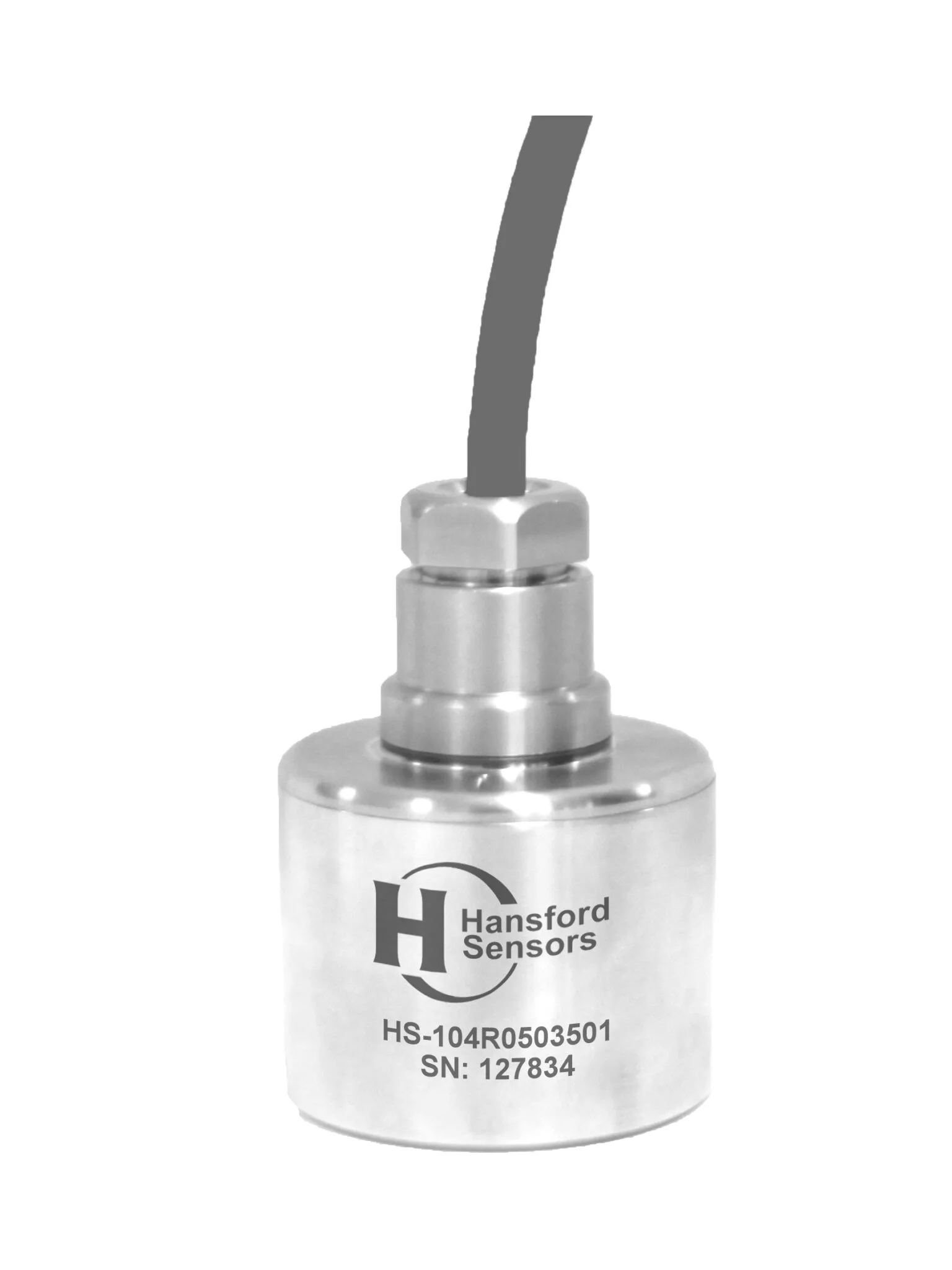
02Sensor
An IEPE accelerometer or a 4–20 mA sensor converts vibration (and often temperature) into an electrical signal.
Industrial IEPE accelerometers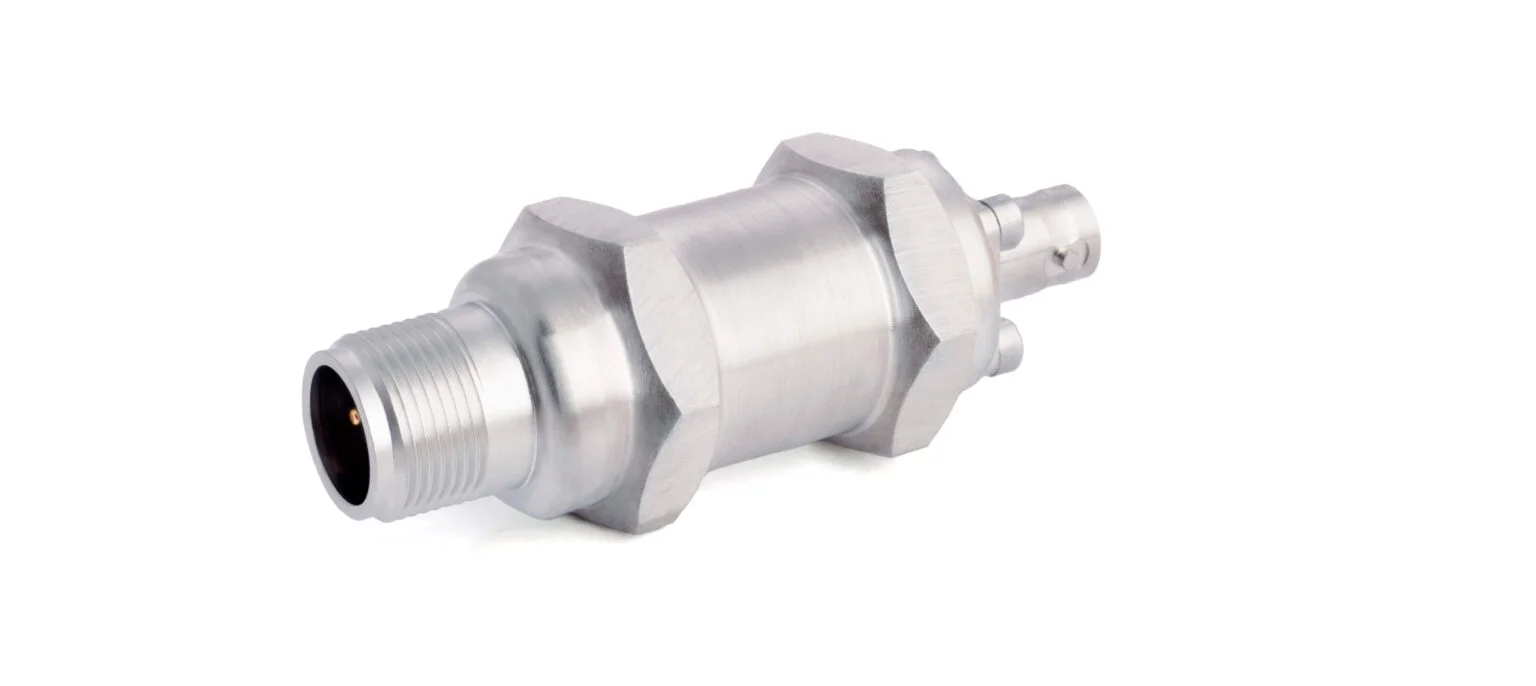
03Signal
A cable with the right connector and a junction box carry the signal from many measuring points to the system.
Cables and connectors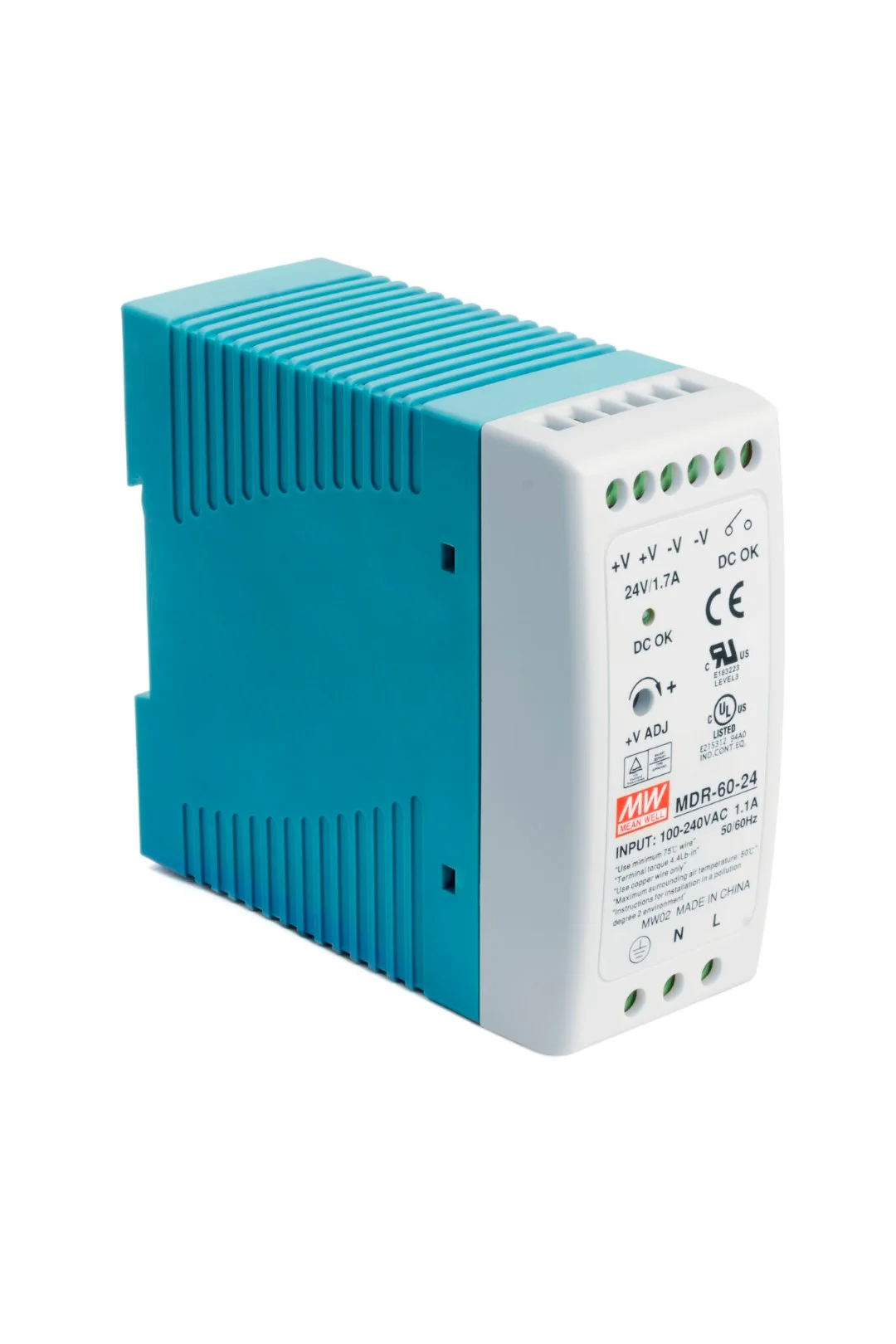
04Monitoring
PLC, DCS, an online system or a data collector: trends, alarm thresholds and diagnostics before a failure happens.
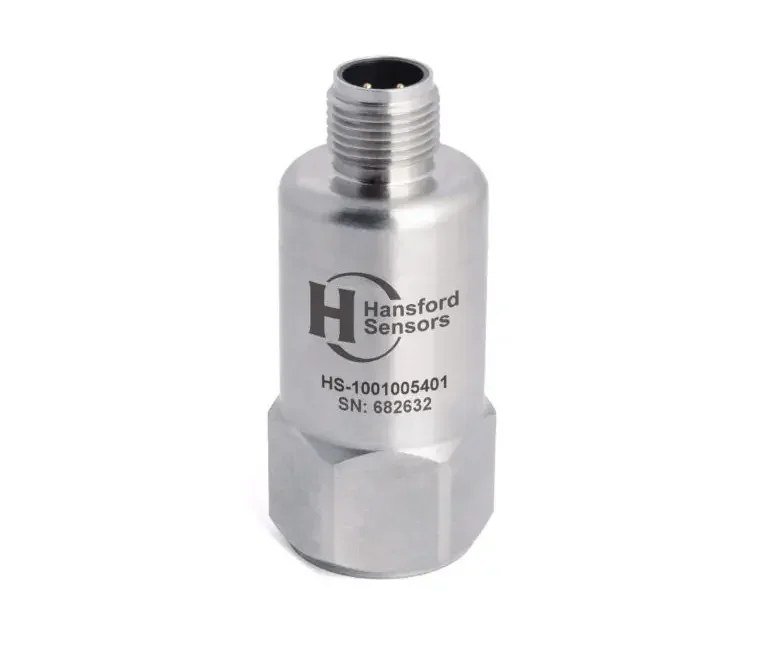
Vibration systems and switchesIn places constantly sprayed with water, HS-100 accelerometers with an integral cable work best: this eliminates the connector, which in a wet area is often the weakest point of the installation. The series includes top exit and side exit versions, and the IP rating depends on the cable type — check it in the datasheet before ordering.
For presses and drying cylinders, HS-100 versions with a 2-pin MS connector are available, with top or side exit — depending on the space above the bearing housing. Such a sensor works with a separate cable assembly, which can be run in protective conduit, and the sensor alone can be replaced without dismantling the installation. According to the manufacturer, HS-100 operates at up to 150 °C; in the dryer section, check the temperature at the mounting point and the limit of the selected cable and connector.
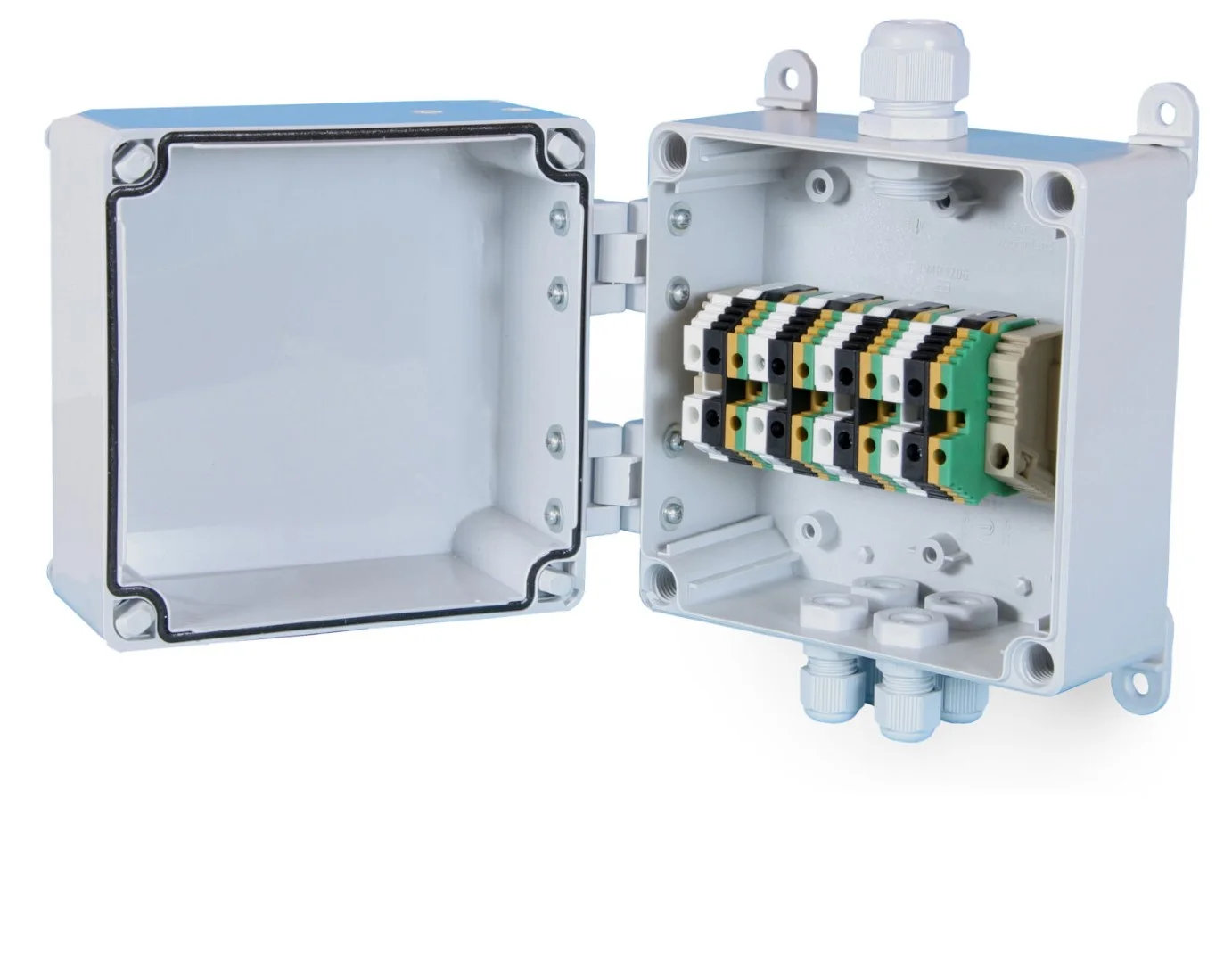
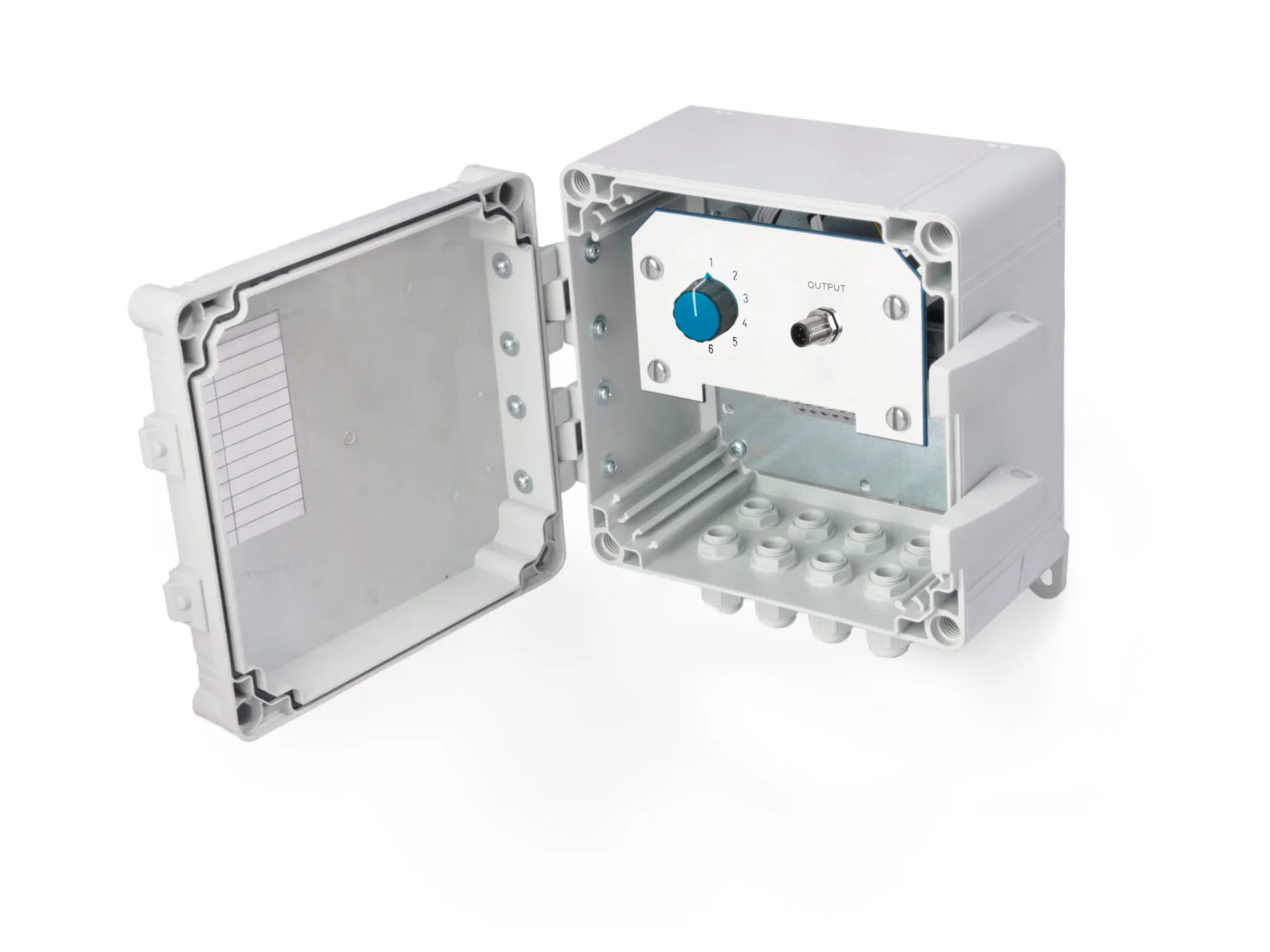
Sensor cables are connected to multi-core cables in HS-JE waterproof junction boxes, available in stainless steel, painted steel and polycarbonate enclosures. Multi-channel HS-SE switch boxes provide a convenient reading point for the data collector — for example, separately for the tending side and the drive side.
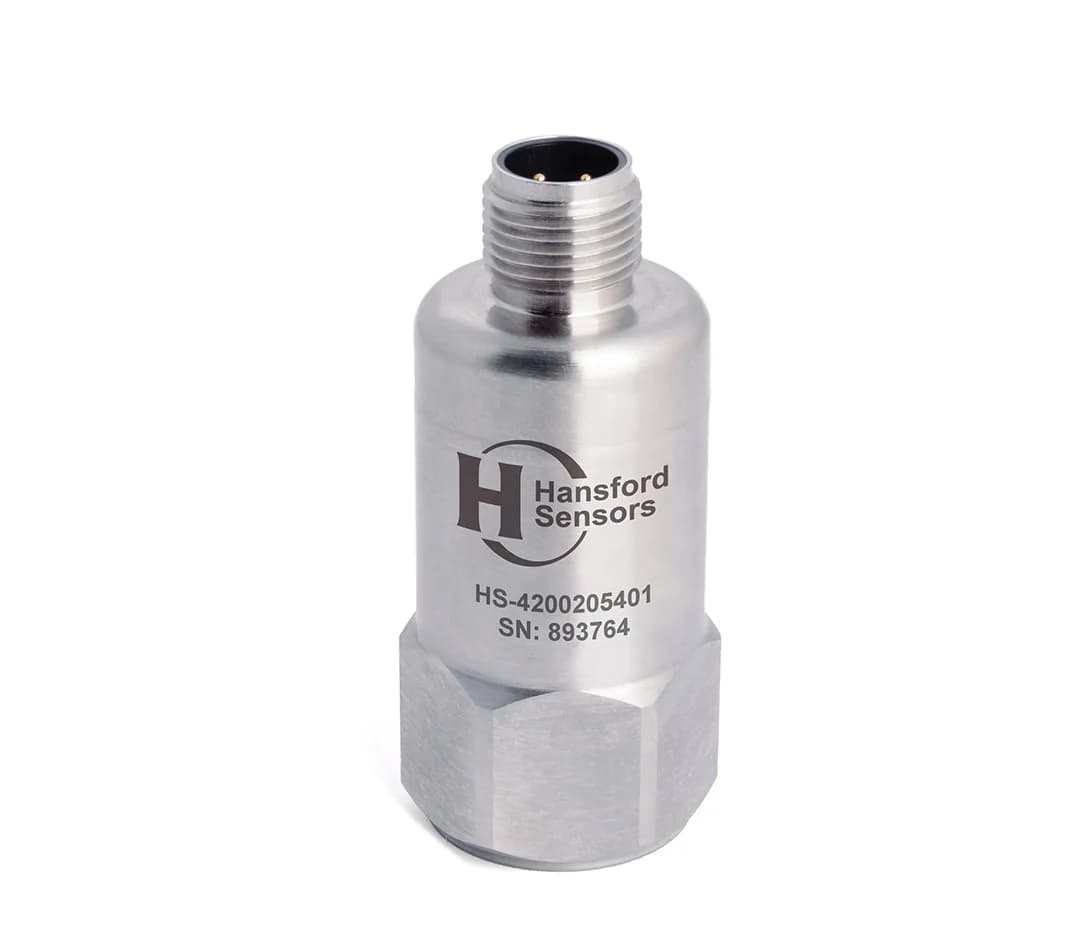
On pumps, fans and motors where continuous monitoring of the vibration level is sufficient, HS-420 sends a 4–20 mA signal proportional to vibration velocity directly to the paper machine DCS. The trend is then visible to operators and maintenance staff without a separate diagnostic system.
The HS-AS mounting studs and pads provide a rigid connection between the sensor and the bearing housing. The Quick Fit version allows the sensor to be removed quickly, e.g. when a roll is replaced, and refitted in the same place, which keeps trends comparable.
PDF datasheet
Mounting studs and pads for correct sensor fixing.
PDF datasheet
Junction box for connecting sensor cables to the system.
PDF datasheet
Switch box — a measurement point for the data collector.
PDF datasheet
4–20 mA sensor for integration with the paper machine control system.
PDF datasheet
Waterproof accelerometer for wet sections, presses and dryers.
Yes, if you choose a version with an integral cable and a suitable IP rating, as given in the datasheet. Route the cable so that water runs away from the sensor, and take it to a junction box outside the spray area. Use connectors in the wet area only if the selected version provides the required sealing.
Mount the sensor on the bearing housing, on a stud, in the radial direction. Temperature is critical: according to the manufacturer, the HS-100 operates up to 150 °C, but the cable or connector may lower the limit for a specific version — check it in the datasheet. A version with a 2-pin MS connector and a separate cable makes it easier to replace the sensor under the hood later.
Most auxiliary machines, such as pumps and fans, can be covered well by route-based measurements with a data collector via switch boxes. Online monitoring is worth considering for machines that are critical, hard to access, or on which damage develops quickly. In the DCS, 4–20 mA transmitters complement both approaches with a continuous trend and alarms.
Tell us which sections and auxiliary machines you want to monitor, what conditions they work in and whether the signal is to go to a data collector or to the DCS. We will help you put together the sensors, cables and switch boxes.